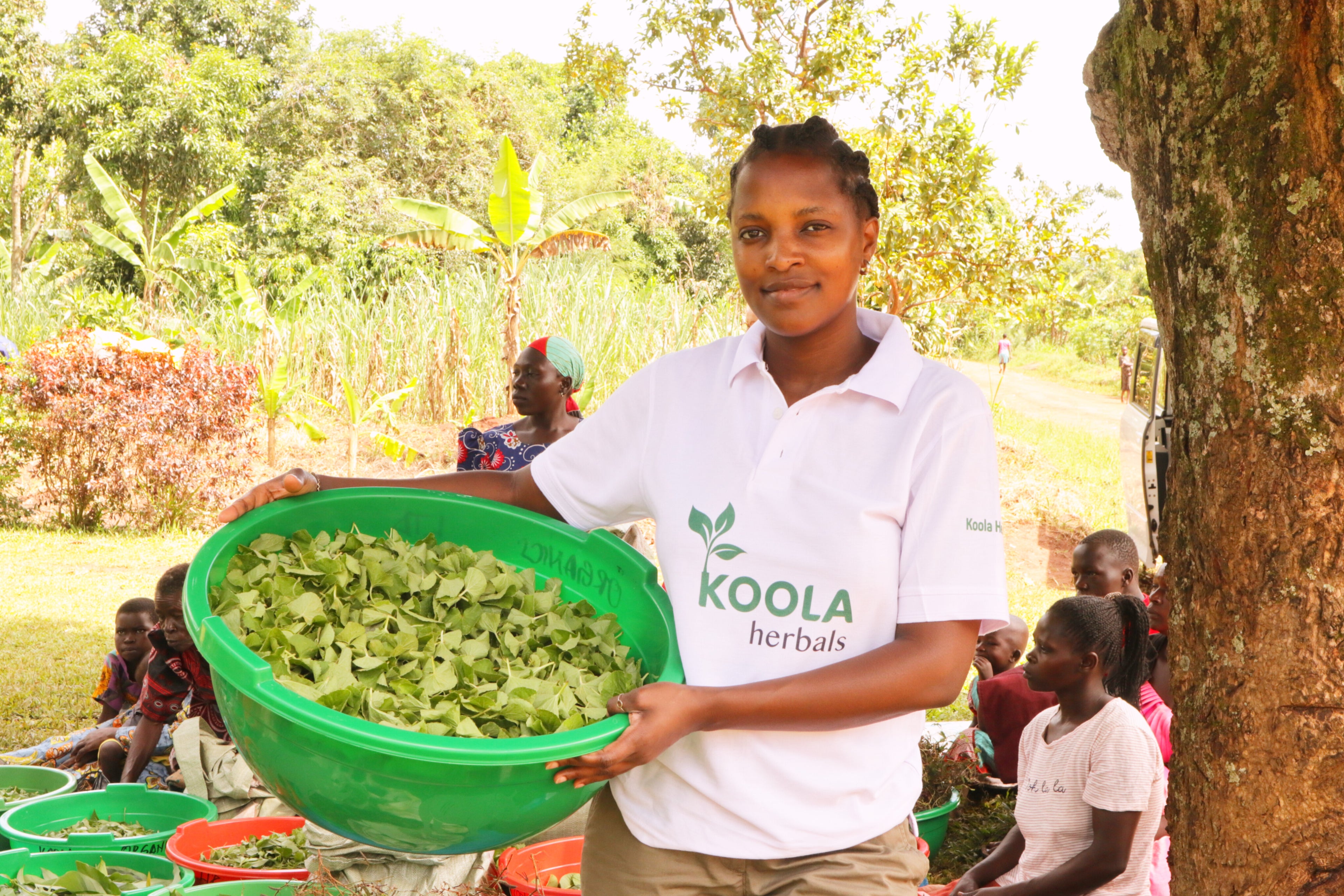
Why trust African Herbs from Koola Herbals?
Traditional medicine encompasses a wealth of knowledge, skills, and practices that have been developed over centuries within different cultures, relying on their unique theories, beliefs, and experiences. This body of wisdom is used not only to maintain health but also to prevent, diagnose, improve, or treat physical and mental conditions. When traditional practices are adopted by other populations outside their original culture, they are often referred to as alternative medicine.
A significant portion of the global population relies on traditional medicine for therapeutic needs. According to the World Health Organization (WHO), 80% of the population in developing regions depends on these methods for their primary care. In recent decades, the popularity of alternative medicine, especially herbal remedies, has also been on the rise in the developed world. Herbal medicine includes a range of preparations, such as herbs, herbal materials, teas, and products that use plant parts as active ingredients. For instance, in Ethiopia, approximately 90% of the population turns to herbal remedies for primary healthcare, while surveys in countries like Germany and Canada show that at least 70% of people have tried alternative medicine, including herbal teas, at some point.
Herbal teas have become a practical way for many to access the benefits of medicinal plants. Cultures across the globe, including those in Africa, have long relied on this method of preparation—steeping leaves, roots, flowers, or seeds—to extract therapeutic properties. This method is deeply rooted in traditional knowledge, where the healing power of herbs has been discovered through centuries of observation, trial, and error. Many of these valuable remedies were passed down orally from one generation to the next. Even today, as modern allopathic medicine continues to evolve, there is an increasing appreciation for the potential of these herbal traditions to inform new medical discoveries, particularly those derived from the rich biodiversity of Africa.
In Africa, where traditional medicine is most often based on medicinal plants, herbal teas are among the most common and accessible methods for delivering healing benefits. The extensive use of these plants is closely tied to cultural traditions and economic realities, and this has led the WHO to encourage African nations to integrate traditional medical practices into their health systems. These herbal infusions are known to contain diverse phytochemicals—compounds that can act individually or synergistically to enhance health. Unlike pharmaceutical drugs that often rely on single, isolated compounds, herbal teas offer a blend of chemicals that work together, providing a more balanced and natural approach to healing.
The synergistic effect of these compounds is a key reason behind the efficacy of herbal teas. When consumed as tea, medicinal plants often provide a gentle yet effective way to deliver multiple health benefits simultaneously. For example, a tea made from a single plant might contain compounds that stimulate digestion, anti-inflammatory agents that reduce pain and swelling, antioxidants that protect against cellular damage, and even natural antibiotics. These diverse effects arise from the plant's secondary metabolites, which have evolved to help the plant survive in its environment. As a result, when people consume herbal teas, they can benefit from these natural adaptations, which may include mood-enhancing alkaloids, diuretics that help the body eliminate waste, and phenolic compounds that support circulatory health.
While the isolation of individual plant chemicals for use in modern drugs has become common practice, many scientists now recognize the potential advantages of using whole plant extracts, such as those found in herbal teas. These natural extracts may offer more balanced effects and fewer side effects than isolated compounds, as the presence of multiple active constituents in the tea can help to stabilize each other and work more harmoniously within the body.
African traditional medicine stands out as one of the oldest and most diverse therapeutic systems, and herbal teas form a vital part of this tradition. Africa is home to a vast array of plant species, with an estimated 40,000 to 45,000 species, of which around 5,000 have known medicinal properties. This diversity is due in part to Africa's tropical and subtropical climate, where plants have developed robust chemical defenses against intense sunlight, pests, and pathogens. These environmental pressures have led to the accumulation of powerful phytochemicals, making many African herbs especially rich in bioactive compounds.
One striking example is the African species *Dorstenia mannii*, a herb native to Central Africa's tropical rainforests. Research has shown that it contains a higher level of biological activity compared to related species found outside Africa, demonstrating the unique therapeutic potential of plants from the continent. Herbal teas made from such potent plants offer both immediate and long-term health benefits, making them valuable tools for preventing and managing a range of conditions, from infections to chronic diseases.
Despite Africa’s rich biodiversity and the potential of its medicinal plants, only a small number of herbal medicines have been developed and commercialized globally. However, the interest in African herbs is growing, as evidenced by an increase in scientific studies aimed at evaluating their efficacy. Herbal teas, as a simple and widely accepted way of consuming these plants, represent a promising path for turning traditional knowledge into modern phytopharmaceuticals.
The use of herbal teas allows people to tap into the health benefits of Africa’s rich plant heritage in a natural and accessible way. These teas not only preserve the wisdom of ancient practices but also hold great promise for the development of future herbal remedies. With further research and investment, the therapeutic power of African plants, delivered through such traditional methods as teas, can continue to play an important role in both local and global healthcare systems. The potential to manage and treat a wide range of conditions, from infectious diseases to chronic ailments, positions herbal teas as a valuable resource for sustainable health care.
A significant portion of the global population relies on traditional medicine for therapeutic needs. According to the World Health Organization (WHO), 80% of the population in developing regions depends on these methods for their primary care. In recent decades, the popularity of alternative medicine, especially herbal remedies, has also been on the rise in the developed world. Herbal medicine includes a range of preparations, such as herbs, herbal materials, teas, and products that use plant parts as active ingredients. For instance, in Ethiopia, approximately 90% of the population turns to herbal remedies for primary healthcare, while surveys in countries like Germany and Canada show that at least 70% of people have tried alternative medicine, including herbal teas, at some point.
Herbal teas have become a practical way for many to access the benefits of medicinal plants. Cultures across the globe, including those in Africa, have long relied on this method of preparation—steeping leaves, roots, flowers, or seeds—to extract therapeutic properties. This method is deeply rooted in traditional knowledge, where the healing power of herbs has been discovered through centuries of observation, trial, and error. Many of these valuable remedies were passed down orally from one generation to the next. Even today, as modern allopathic medicine continues to evolve, there is an increasing appreciation for the potential of these herbal traditions to inform new medical discoveries, particularly those derived from the rich biodiversity of Africa.
In Africa, where traditional medicine is most often based on medicinal plants, herbal teas are among the most common and accessible methods for delivering healing benefits. The extensive use of these plants is closely tied to cultural traditions and economic realities, and this has led the WHO to encourage African nations to integrate traditional medical practices into their health systems. These herbal infusions are known to contain diverse phytochemicals—compounds that can act individually or synergistically to enhance health. Unlike pharmaceutical drugs that often rely on single, isolated compounds, herbal teas offer a blend of chemicals that work together, providing a more balanced and natural approach to healing.
The synergistic effect of these compounds is a key reason behind the efficacy of herbal teas. When consumed as tea, medicinal plants often provide a gentle yet effective way to deliver multiple health benefits simultaneously. For example, a tea made from a single plant might contain compounds that stimulate digestion, anti-inflammatory agents that reduce pain and swelling, antioxidants that protect against cellular damage, and even natural antibiotics. These diverse effects arise from the plant's secondary metabolites, which have evolved to help the plant survive in its environment. As a result, when people consume herbal teas, they can benefit from these natural adaptations, which may include mood-enhancing alkaloids, diuretics that help the body eliminate waste, and phenolic compounds that support circulatory health.
While the isolation of individual plant chemicals for use in modern drugs has become common practice, many scientists now recognize the potential advantages of using whole plant extracts, such as those found in herbal teas. These natural extracts may offer more balanced effects and fewer side effects than isolated compounds, as the presence of multiple active constituents in the tea can help to stabilize each other and work more harmoniously within the body.
African traditional medicine stands out as one of the oldest and most diverse therapeutic systems, and herbal teas form a vital part of this tradition. Africa is home to a vast array of plant species, with an estimated 40,000 to 45,000 species, of which around 5,000 have known medicinal properties. This diversity is due in part to Africa's tropical and subtropical climate, where plants have developed robust chemical defenses against intense sunlight, pests, and pathogens. These environmental pressures have led to the accumulation of powerful phytochemicals, making many African herbs especially rich in bioactive compounds.
One striking example is the African species *Dorstenia mannii*, a herb native to Central Africa's tropical rainforests. Research has shown that it contains a higher level of biological activity compared to related species found outside Africa, demonstrating the unique therapeutic potential of plants from the continent. Herbal teas made from such potent plants offer both immediate and long-term health benefits, making them valuable tools for preventing and managing a range of conditions, from infections to chronic diseases.
Despite Africa’s rich biodiversity and the potential of its medicinal plants, only a small number of herbal medicines have been developed and commercialized globally. However, the interest in African herbs is growing, as evidenced by an increase in scientific studies aimed at evaluating their efficacy. Herbal teas, as a simple and widely accepted way of consuming these plants, represent a promising path for turning traditional knowledge into modern phytopharmaceuticals.
The use of herbal teas allows people to tap into the health benefits of Africa’s rich plant heritage in a natural and accessible way. These teas not only preserve the wisdom of ancient practices but also hold great promise for the development of future herbal remedies. With further research and investment, the therapeutic power of African plants, delivered through such traditional methods as teas, can continue to play an important role in both local and global healthcare systems. The potential to manage and treat a wide range of conditions, from infectious diseases to chronic ailments, positions herbal teas as a valuable resource for sustainable health care.